
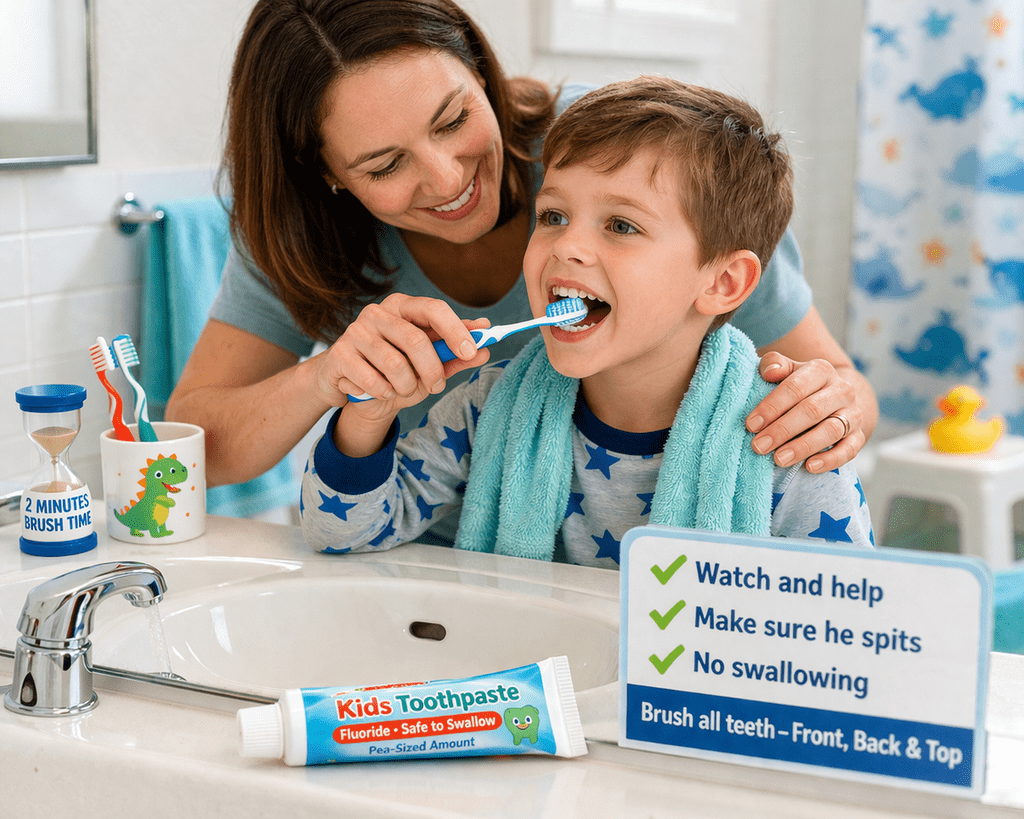
When Can My Child Start Using Regular Toothpaste
As a parent, I often see how choosing the right toothpaste for a child can feel overwhelming. There are many options at your fingertips, and it can be confusing to pick which one to purchase. Parents usually begin with children’s toothpaste, kids toothpaste, or toothpaste for kids because these toothpaste formulas are designed for younger age groups and their different needs. During brushing teeth, proper dental hygiene and kids oral hygiene matter more than the brand itself. In my experience working with families focused on child dental care and oral care, parents often start wondering how long they should continue using children toothpaste before switching toothpaste to the adult version or adult toothpaste.
Choosing the Right Toothpaste for Growing Kids
When parents start exploring toothpaste options, they quickly notice the wide range of toothpaste types, toothpaste category, and different formulas created for different age groups. The decision between toothpaste for children and toothpaste for adults often depends on a child’s brushing routine, their child brushing habits, and how well they follow a healthy kids dental routine. From my experience advising parents about oral health care and child oral health, the moment of switching to the adult version toothpaste usually comes when children manage brushing safely and independently. At that stage, the toothpaste selection becomes simpler because parents can focus on their child’s comfort and safety while maintaining strong dental hygiene using the right kids brushing products and the most suitable toothpaste choice—something I’ve explained in more than one short blog or blog post for parents who are reading about better family oral habits.
Many parents feel their child is a little mini-me, but children are not tiny adults. Their bodies respond, require, and process things differently than adults, and toothpaste is no exception. In my experience working around children dental care and oral health, the real question parents ask is when it becomes possible to start using regular toothpaste instead of children’s toothpaste. The change toward adult toothpaste depends on understanding the differences and key differences in toothpaste ingredients, toothpaste formulas, and toothpaste formulation. Most kids dental products are designed carefully, often with fun characters and crazy colors, but the design is also intentional to support safe toothpaste usage, better kids oral care, and healthy brushing teeth habits during early child development.
From what I have observed in many dental care discussions with parents, the switch from kids toothpaste formula to adults toothpaste formula should happen when a child can safely manage kids brushing and follow a proper dental routine. The biggest factor is toothpaste safety, especially when the toothpaste contains fluoride toothpaste, because children’s kids body response to ingredients can differ from adults. This is why child dental products, oral hygiene products, and children’s toothpaste are created differently from adult toothpaste, with specific toothpaste composition made for growing mouths. A good toothpaste recommendation always considers these differences, helping parents choose the safest option for long-term oral health while supporting strong daily kids oral care habits.
Knowing When Kids Are Ready for Regular Toothpaste
In real-life parenting and dental health guidance, many families ask about the general rule and the safest time to switch a child to regular toothpaste. From my experience observing kids oral care routines, children can begin using adult toothpaste once they have learned to brush or brush teeth with confidence and manage adult brushing for the most part. The key skill is being able to spit, show proper spitting, and spit properly without swallowing toothpaste, because toothpaste swallowing risk can lead to fluoride ingestion, nausea, stomach pains, vomiting, or general stomach discomfort. This is why experts suggest to avoid adult toothpaste before age 6, though this can vary depending on child brushing ability, spit ability, and overall toothpaste usage age readiness.
As part of a healthy oral care routine, the safest switch or switching toothpaste during a child toothpaste transition often happens somewhere between the 3rd birthday and 8th birthday, meaning age 3 to age 8, depending on how most children develop. When a child can spit well, show adult toothpaste readiness, and tolerate a stronger mint flavor or mint flavor, they are usually ready for the kids toothpaste change and a proper toothpaste transition. Parents should still encourage practice spitting, continue practice, and teach proper brushing techniques and daily brushing techniques to build strong brushing habit, safe brushing habits, and consistent kids dental routine. In my professional observation of children dental care and children oral health, this phase also shapes lifelong oral hygiene, supports fluoride toothpaste safety, improves kids brushing safety, and strengthens overall child dental development, dental routine, and long-term kids oral health.
If you are concerned about their lack of fluoride as they get older
How Much Fluoride Toothpaste Should Young Children Use?
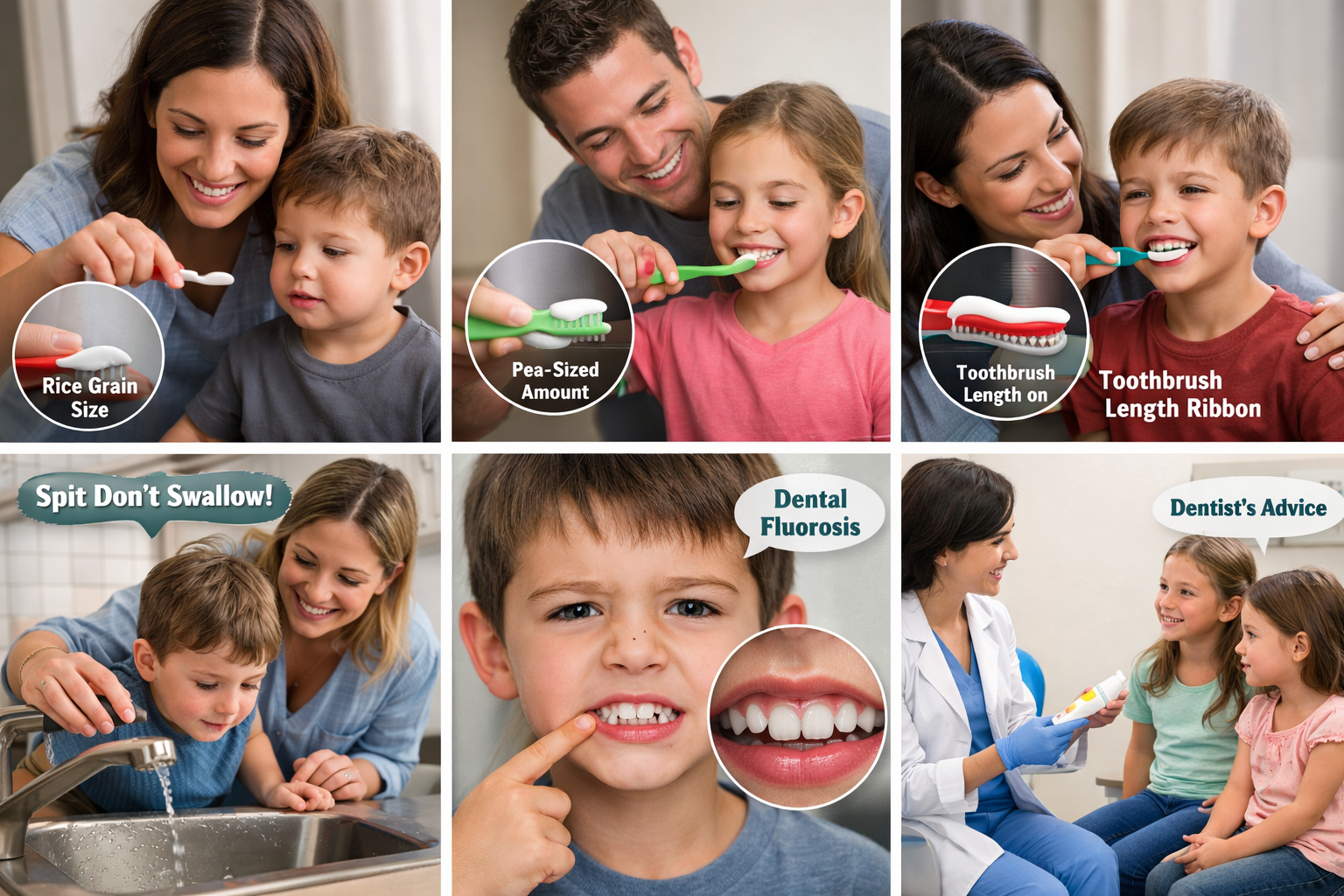
Following ADA new guidance, parents are advised that children under three years should brush or focus on gentle brushing teeth using a small smear of fluoride-containing toothpaste. This toothpaste amount, often compared to a grain of rice or rice grain size, is the recommended amount for safe daily brushing. As part of a simple oral hygiene routine and early dental care routine, caregivers should brush twice a day, meaning twice a day in the morning and at night. I have personally seen that building a steady child brushing routine and following this brushing recommendation supports better child oral health and consistent children teeth brushing habits. When a child turns three, experts and ADA recommendation suggest using a pea-sized amount or pea sized fluoride toothpaste and to continue brushing with care.
As kids get older, some parents feel concerned about a lack of fluoride or changing fluoride levels in their child’s routine. This is when older children may benefit from a dentist consultation during a regular dental visit, teeth cleaning, or professional dental cleaning. In my experience providing oral health guidance, families who talk to dentist early receive additional help, clearer dental advice, and trusted professional advice to decide or decide switch about switching toothpaste. A thoughtful toothpaste decision made during a kids dental checkup or scheduled dental appointment helps improve fluoride protection, strengthens children dental health, and supports daily kids oral care with the right fluoride toothpaste, especially when planning when to make the switch under a proper dentist recommendation.
The Difference Between Kid & Adult Toothpaste
How Fluoride Levels Shape Toothpaste Choices
In daily kids dental care, one clear difference or main difference parents notice is the amount of fluoride inside toothpaste types like kid toothpaste, children’s toothpaste, and adult toothpaste. From my experience guiding families on oral hygiene practice, the fluoride concentration and overall fluoride amount play a big role in toothpaste safety and long-term kids oral hygiene. Many parents use toothpaste without realizing that children toothpaste fluoride often has a lower concentration than adult toothpaste fluoride, creating an extra protection layer for smaller children who may swallow toothpaste. This helps reduce fluoride exposure, because over-exposure to fluoride in certain quantities can cause fluorosis, dental fluorosis, or even little white spots, white spots on teeth, and visible teeth spots. Adults usually have better adult knowledge to follow instruction, but kids may have a difficult time following instruction, making this toothpaste formulation difference important for oral care safety, dental safety, and balanced adult oral hygiene awareness.
When parents use fluoride to brush child’s teeth during regular brushing teeth, they are often advised to stick to small concentrations and monitor the fluoride quantity using the exact quantity shown on the fluoride amount label or toothpaste label. I often tell caregivers to check label details and check fluoride level to manage child fluoride exposure and understand the exposed fluoride level over time. In some cases, families try non-fluoride toothpaste or fluoride-free toothpaste, or even mix toothpaste, mix adult toothpaste, and add compound like a safe fluoride compound based on professional dental care instructions. This thoughtful brushing routine, supported by awareness of toothpaste ingredients, careful fluoride measurement, and practical children brushing guidance, helps prevent fluoride reaction, fluoride effect, and issues like swallowing fluoride toothpaste, upset stomach, or stomach upset, while improving overall toothpaste protection.
This is the number one difference in children’s toothpaste
Why Fluoride Matters for Young Teeth
In daily practice, the number one difference parents notice in children’s toothpaste is the level of fluoride, a naturally occurring mineral also called mineral fluoride. This essential mineral helps strengthen enamel, improve enamel strength, and protect the tooth enamel, which supports strong teeth, healthy teeth, and overall tooth strength. Because of its proven role in fight tooth decay and tooth decay prevention, fluoride offers important dental protection and improves long-term dental health. The fluoride importance is so widely accepted that it is added to drinking water through water fluoridation, meaning families often receive drinking water fluoride from the public drinking water supply, local water supply, or fluoridated water systems in many areas water supply networks that provide fluoride added water. This makes fluoride a common ingredient and trusted toothpaste ingredient in most kinds of toothpaste, especially fluoride toothpaste, helping with tooth enamel protection and reliable cavity prevention as part of early children oral health care.
However, managing children fluoride intake and child fluoride intake is very important because too much fluoride or excess fluoride can increase children fluoride exposure, sometimes causing dental fluorosis, visible white spots, or streaks on teeth, and in rare cases, even fluoride poisoning. That is why toddler toothpaste for one-to-three-year-olds, including fluoride-free toddler toothpaste for age 1, age 2, and age 3, is often a carefully formulated toothpaste with lower fluoride content to support how grow children develop safe brushing skills and learn to spit properly. As kids mature, a gradual fluoride increase helps meet the adult toothpaste need for adequate protection, stronger cleaning power, and better care for adult teeth and full adult dental protection, highlighting the clear toothpaste formulation difference seen in older kids toothpaste. When the local water supply lacks fluoride, the risk of fluoride deficiency may rise, making balanced child fluoride use of this important mineral and truly vital mineral even more valuable as a lasting dental protection mineral.
Just like adults, children are susceptible to tooth decay
Why Early Oral Care Shapes Lifelong Dental Habits
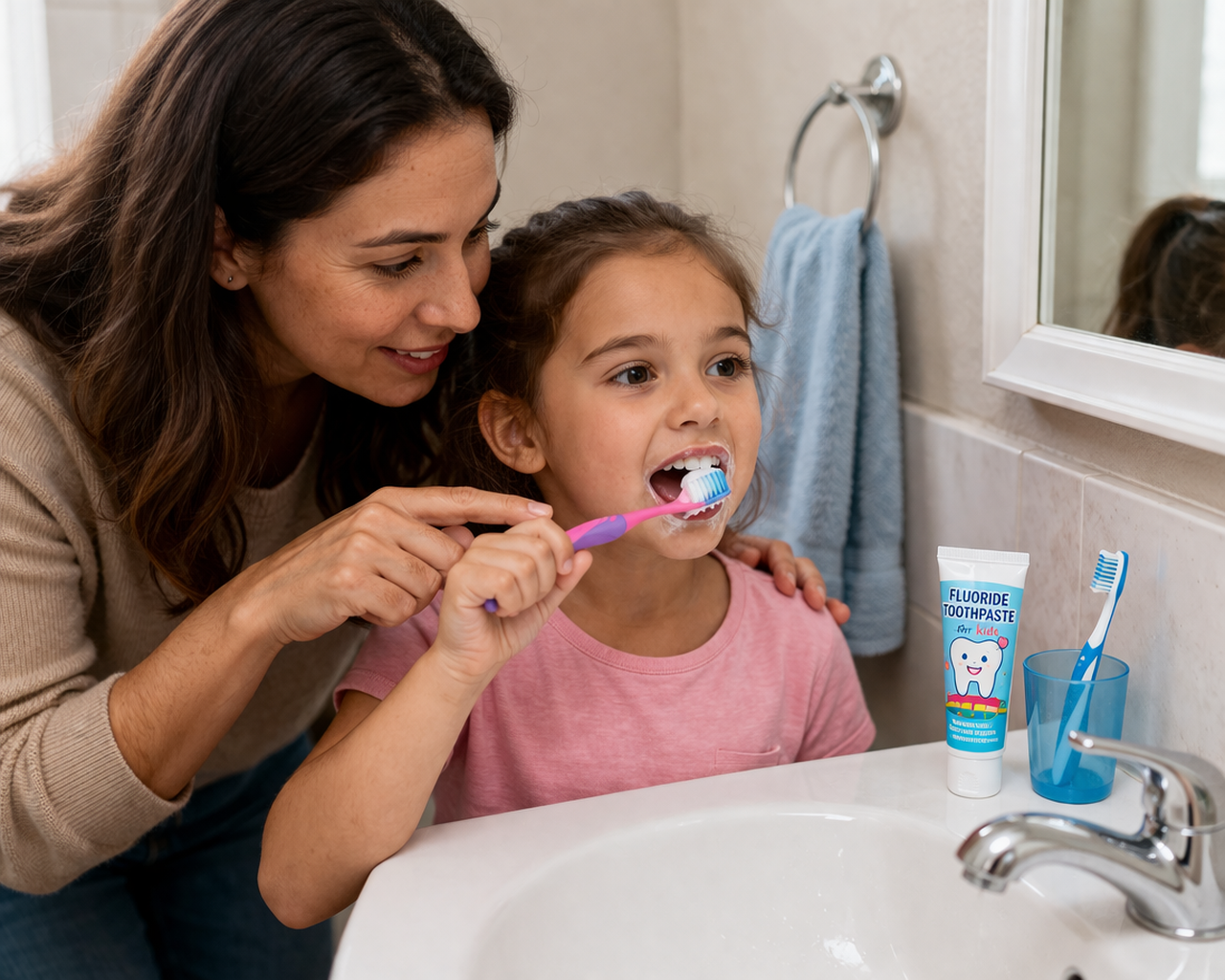
In my experience guiding families, caring for child’s oral health and overall oral health care must truly start early. Even infants need gentle infant oral care, where parents understand their parents responsibility to gently clean gums, clean gums, and care for delicate baby gums. Simple gums cleaning using a soft cloth, clean finger, or safe finger cleaning method helps build a strong gum care routine. When brushing begin at the first baby tooth or during baby tooth eruption and an erupting tooth stage, usually around 2 years old or age 2, parents can begin teaching brushing, teach child brushing, and guide kids toward brushing themselves. During this beginning brushing stage, consistent supervise brushing and close parental supervision support correct brushing technique, proper brushing, and a steady child dental routine, helping form healthy kids oral hygiene and lasting early oral hygiene habits.
At the same time, just like adults, children are susceptible to tooth decay, dental decay, cavities, and even a single cavity if early oral care is ignored. Research from the ADA or American Dental Association shows about 25% of kids face issues linked to the children cavity rate before they enter kindergarten. This is why strong child oral care, a planned oral care routine, and active parents help brushing matter from the time child’s teeth come in during teeth eruption, often around six months or 6 months age as part of infant teeth development. Using fluoride toothpaste and brushing with fluoride toothpaste improves dental hygiene, daily oral hygiene, and reliable cavity prevention, which supports long-term child dental health and consistent kids dental care through an early brushing habit and a confident child brushing routine.
Supervising Your Child
Guiding Kids Toward Safe and Independent Brushing
In real family routines, it can take several years for children to fully learn brushing and confidently brush teeth with proper control. During this time, they practice brushing without swallowing, avoid swallowing toothpaste, and work on how to spit properly by improving their spitting toothpaste ability. Many parents rely on children’s toothpaste because it is often safe to swallow, especially when it has low fluoride content or even zero fluoride content. Through daily brushing practice, kids slowly build a healthy brushing habit and get used to brushing, reducing the risk of accidentally swallowing toothpaste or using too much toothpaste. Experts often highlight that managing the fluoride toothpaste quantity and overall quantity of toothpaste is important since a significant fluoride amount can affect young mouths. For children three years old or age three, a dab toothpaste about grain of rice size or rice grain amount is suggested, while three-year-olds to six-year-olds or age six can move to a pea size toothpaste or pea-sized amount as part of correct toothpaste measurement. Once a child spit toothpaste with confidence and spit properly, a regular ribbon toothpaste or ribbon length toothpaste equal to a toothbrush length ribbon on the toothbrush may be used, but parents present with steady parental supervision should continue children brushing support to ensure not swallowing and strengthen toothpaste swallowing prevention. As kids become adept at spitting and improve their spitting toothpaste skill, seeking dentist advice or a trusted dentist recommendation about the type of toothpaste or best toothpaste for child helps maintain strong kids oral hygiene with the right brushing guidance.
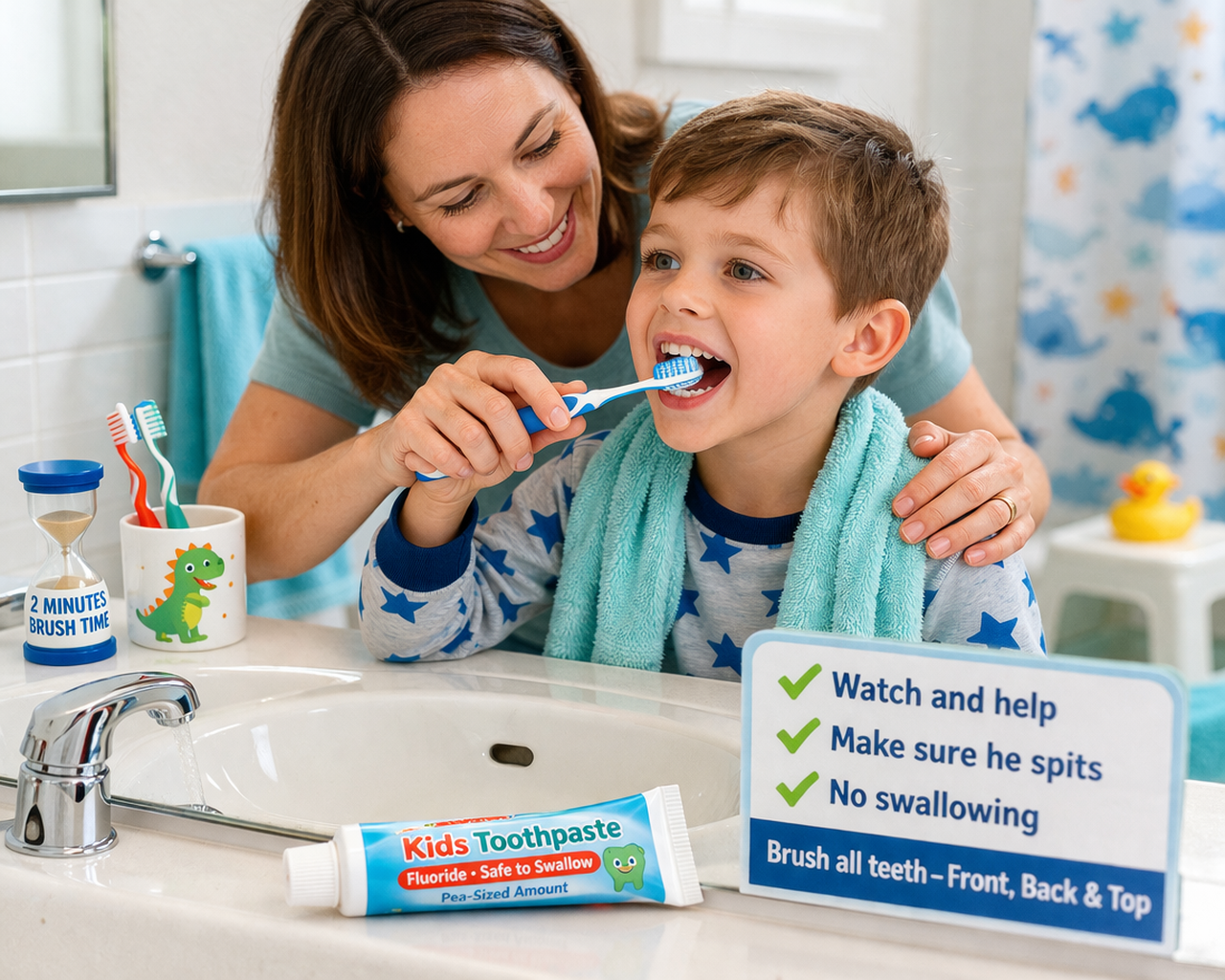
In most homes I work with, caregivers still brush child’s teeth or continue parents brushing child teeth until six or seven, meaning around age six or age seven, because kids may lack the necessary coordination and full brushing coordination needed for a thorough brushing job. When children move toward independent brushing and can brush independently, ongoing supervise brushing and close supervision help ensure they are brushing properly, brushing long enough, and maintaining the right brushing duration. This also lowers risks linked to swallowing toothpaste, toothpaste swallowing risk, or excessive fluoride intake and high fluoride intake, which in some cases may lead to fluorosis, a visible cosmetic defect affecting the tooth enamel or causing an enamel defect, sometimes known as dental fluorosis. Encouraging kids to spit after brushing, encourage spitting, and gently explain brushing importance can remind them don’t swallow toothpaste and don’t eat toothpaste, improving toothpaste ingestion prevention. Over time, these steps shape positive kids brushing habits, stronger children oral hygiene, a reliable dental care routine, and better brushing technique supervision through everyday practice.