
Why Ages 6–12 Often Learn Gymnastics Faster
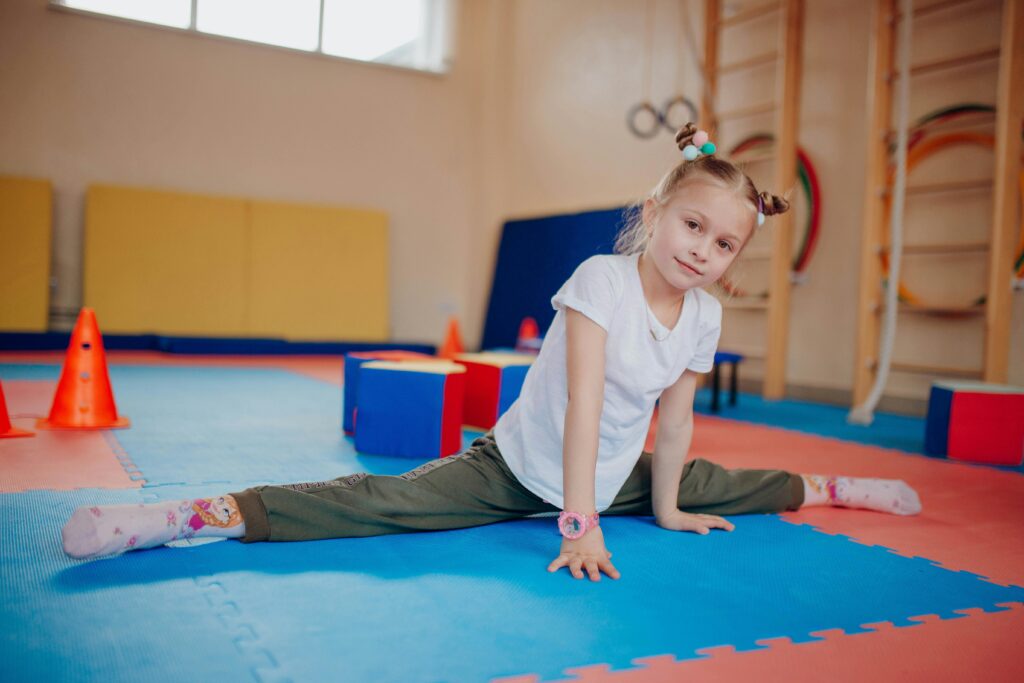
From my coaching experience, I’ve seen a clear difference When a 6-year-old attempts their first cartwheel, they bring advantages that a 3-year-old simply doesn’t possess. Their brain has developed the spatial awareness to understand where their body is in space, so They can process multi-step instructions like place your hands shoulder-width apart, kick your legs over one at a time, and land with your chest up. In comparison, A preschooler might need months to coordinate these same movements that a 6-year-old grasps in weeks, which is something I notice regularly during beginner classes.
The growth gap becomes even clearer in strength and control. The physical differences are equally significant because By age 6, children have developed the core strength and balance that makes learning fundamental gymnastics skills safer and more efficient. While a 3-year-old might spend six months building enough strength to support themselves on the bars, a 6-year-old often arrives with this baseline strength already developed from playground activities and natural growth, making early progress feel smoother and more rewarding.
How 9–12 Year-Olds Gain Strength Quickly
From my experience teaching gymnastics, Pre-teens possess an ideal combination of flexibility and emerging strength that accelerates their gymnastics progression. At this age, children can typically Execute multiple repetitions of conditioning exercises that build gymnastics-specific strength. I’ve noticed that when they Understand and apply technical corrections immediately, they Connect multiple skills in sequence rather than learning them in isolation, which helps them Set personal goals and work toward them with focus and determination.
A 10-year-old beginning gymnastics can often achieve their back handspring within their first year of training, a skill that might take a child who started at age 4 several years to develop safely. This isn’t because the older child is more talented, but because they have the physical and mental tools to train more effectively, making progress faster and boosting confidence in their gymnastics journey.
How Gymnastics Helps in Other Sports
In my experience, The gymnastics skills that children ages 6 to 12 develop transfer directly to success in other activities. For Cheerleading, Tumbling passes, jumps, and the confidence to perform in front of crowds all come directly from gymnastics training. The back handsprings and tucks, required for middle and high school squads, are fundamental gymnastics skills. For Martial Arts, The balance, flexibility, and spatial awareness developed through gymnastics create a strong foundation for kicks, flips, and controlled movements in martial arts disciplines.
For Dance, The strength, flexibility, and body control from gymnastics enhance everything from leaps to turns. Dancers with gymnastics backgrounds often excel at acrobatic elements that set them apart in competitions. For Team Sports, The coordination, agility, and body awareness developed in gymnastics improve performance in soccer, basketball, baseball, and other sports where quick directional changes and balance matter. While younger children certainly benefit from gymnastics, older beginners bring capabilities that allow them to extract maximum value from every practice session. This efficiency becomes even more pronounced in teenagers who can leverage gymnastics training for specific athletic goals and personal development during their crucial adolescent years, which I’ve seen boost performance across many school sports.
Starting Gymnastics as a Teen for Specific Goals
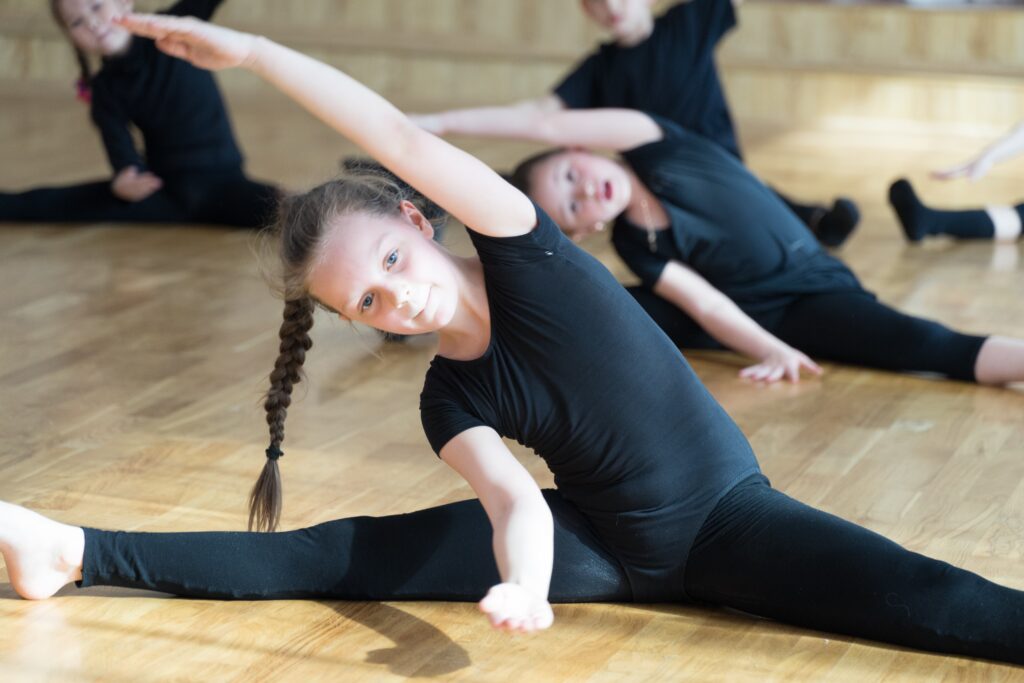
From my years coaching, I’ve noticed that Teenagers starting gymnastics between ages 13 and 15 achieve targeted outcomes more effectively than younger children. This is because they bring goal-oriented focus, physical maturity, and the motivation to master skills for specific purposes, like cheerleading or athletic performance. I’ve seen teens develop strength and technique faster because their bodies can handle more intense training and their minds stay committed to learning complex routines.
Even starting later, teens can catch up with their peers by focusing on structured practice and targeted skill development. With goal-oriented plans, physical conditioning, and consistent effort, they quickly gain confidence and achieve results in gymnastics that support specific athletic ambitions, whether in cheerleading, other sports, or personal performance milestones. This stage shows that age is not a barrier when motivation and focus are strong.
Tumbling Focus for Cheerleading Success
From what I’ve seen in training gyms, Most high school cheerleading programs require tumbling skills that teenagers can develop quickly through focused gymnastics training. A 14-year-old who needs a back handspring for tryouts has distinct advantages over younger gymnasts, including the strength to execute the skill safely, the mental discipline to practice consistently, and the motivation of a clear deadline. I’ve coached many teens who, as Teenage beginners, typically master cheerleading essentials within one competitive season, especially when goals are clear.
Progress also becomes measurable and structured. Standing back handspring 3 to 6 months with consistent training, Round-off back handspring 4 to 8 months, and Basic jumps and flexibility 2 to 3 months are common timelines I’ve personally tracked. Performance confidence Develops naturally through structured practice. The focused approach teenagers bring to gymnastics means they waste no time on skills they don’t need. While a 6-year-old spends time on balance beam routines and uneven bars progressions, a teenager targeting cheer can concentrate entirely on floor skills and tumbling, accelerating their specific progress.
How Gymnastics Builds Strength for Other Sports
From what I’ve seen over the years, Athletes in sports from diving to pole vaulting discover that gymnastics provides unmatched cross-training benefits. The controlled strength building and flexibility work in gymnastics directly enhances Power Development. Gymnastic movements like pull-ups, rope climbs, and explosive jumps build the fast-twitch muscle fibers essential for athletic performance. A basketball player working on vertical jump or a volleyball player improving their spike will see measurable gains, something I’ve personally noticed when athletes cross-train.
Beyond strength, Injury Prevention becomes a major benefit. The emphasis on balanced muscle development and flexibility in gymnastics helps prevent the overuse injuries common in single-sport athletes. Gymnastic training strengthens stabilizer muscles that other sports often neglect. At the same time, Mental Toughness grows as Learning to attempt challenging skills in a controlled environment builds the confidence to perform under pressure in any sport. The progressive nature of gymnastics teaches athletes to break down complex goals into achievable steps, which is a skill that carries far beyond the gym.
Confidence Growth in the Teenage Years
From what I’ve seen working with teens, Gymnastics offers teenagers something increasingly rare, measurable achievement in a world of subjective social media comparisons. When a 13-year-old finally lands their aerial after weeks of practice, that success is undeniable and entirely their own. The structured environment provides clear expectations and consistent feedback during years when teenagers often feel uncertain about their changing bodies and abilities. Every class offers opportunities to Master something that seemed impossible weeks before, Support peers through challenges, building leadership skills.
I’ve also noticed how powerful this environment is for mindset. Teens Experience appropriate risk-taking in a controlled environment and Develop resilience through working past fear and frustration. Unlike team sports where playing time might be limited or success depends on others, gymnastics allows every teenager to progress at their own pace and see direct results from their effort. This individual achievement within a supportive group setting provides the ideal balance of independence and community that adolescents need. The gymnastics gym becomes a year-round sanctuary where teenagers can channel energy productively, away from screens and academic pressures. The physical outlet helps manage stress while building habits of discipline and perseverance that extend far beyond the gym. With programs specifically designed to meet beginners where they are, regardless of age, the path from first class to achieving personal goals is clear and achievable. Gold Medal’s structured programs ensure every beginning gymnast finds their place, whether they’re 5 or 15
How to Know Your Child Is Ready
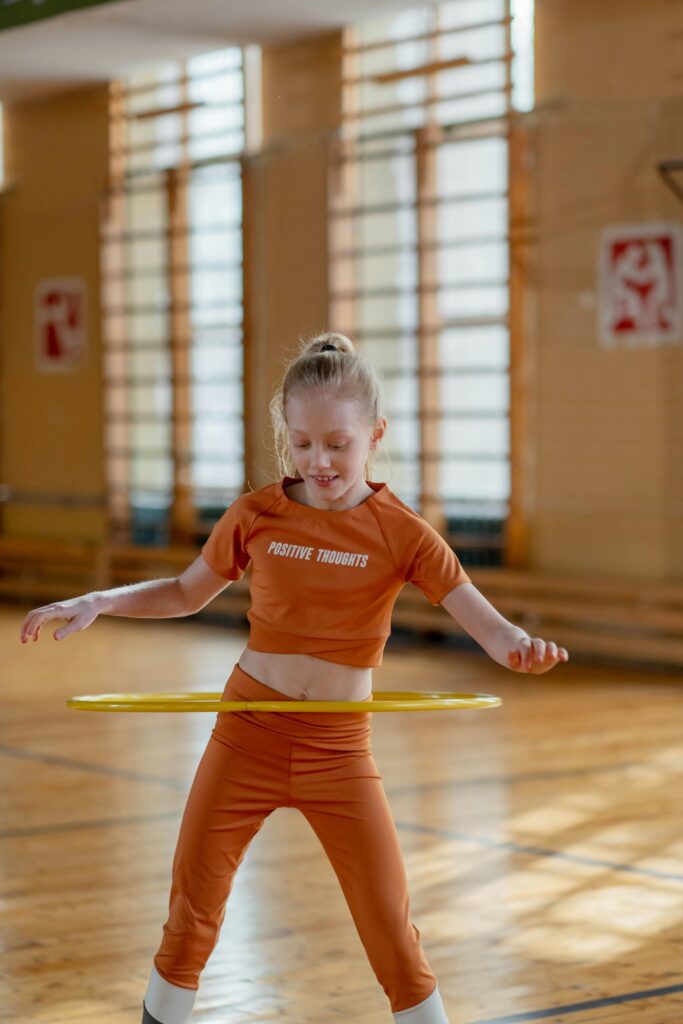
From my experience coaching beginners, Parents can look for several indicators that suggest their child might be interested in and thrive in gymnastics classes. One telltale sign is an intrinsic curiosity and energy for physical activities, often manifested in their tendency to climb, tumble, or practice somersaults and handstands spontaneously. Children who display strong coordination and agility, even in unstructured play, may naturally gravitate towards gymnastics.
I also tell parents to notice daily habits. Additionally, if your child regularly enjoys participating in activities that require a mix of physical endurance and creativity, such as dancing or obstacle courses, this might indicate that they have the drive and enthusiasm needed for a structured gymnastics program. Another clue is their ability to concentrate and follow instructions, which is crucial for learning new routines and ensuring safety in class. Lastly, children who are expressive and seem to enjoy performing, whether through movement or otherwise, may find gymnastics a fulfilling outlet to channel these traits. Noticing these signs can help parents provide opportunities for their children to explore gymnastics, potentially unlocking a rewarding new passion.
Choosing the Right Age to Begin
From my experience, Enrolling children in gymnastics between the ages of 4 and 6 is often considered ideal by coaches, because youngsters at this stage are typically old enough to express genuine interest and demonstrate the ability to focus during lessons. Their developmental stage allows them to better understand instructions and execute basic movements, laying a solid foundation for future skills. I’ve seen kids in this age range pick up basics smoothly because they are ready both mentally and physically.
At the same time, Despite this, if your child is older and showing interest in gymnastics, it’s never too late to get started. Regardless of when they begin, engaging in this sport can foster a lifelong passion for physical activity and a healthy lifestyle. In fact, I’ve coached beginners at many ages, and those who start later often progress faster because they bring focus and motivation into every class.